




Personal Defense
Understanding your rights before, during, and after a defensive encounter—because the law doesn't stop when the threat does.
Personal Defense & Self-Defense Law
Understanding when you can legally use force—and proving you did so lawfully—requires more than just knowing your rights. It requires strategic legal representation from the moment an incident occurs.
Michigan's self-defense laws protect your right to defend yourself, your family, and your home. But what happens after a defensive encounter is just as critical as the split-second decision you made under threat. Law enforcement will investigate. Prosecutors will scrutinize every detail. And without proper legal guidance, even a justified use of force can result in criminal charges, civil liability, and devastating consequences.
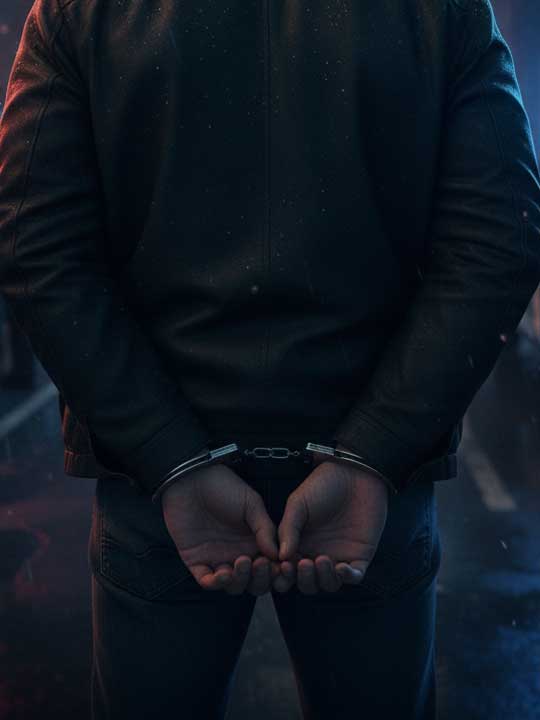
Our personal defense practice focuses on three critical areas: preventive education for CPL holders and gun owners, immediate legal response after a defensive incident, and aggressive criminal defense when charges are filed. We work with use-of-force experts, forensic analysts, and investigators to build ironclad defenses based on Michigan's self-defense statutes.
Whether you're seeking proactive legal counsel to understand your rights, need immediate representation after a defensive shooting, or are facing criminal charges for protecting yourself or your family, our firm provides the experienced advocacy you need when everything is on the line.

Revocation Threat Overview
Losing your CPL isn't just about carrying—it's about your career, your livelihood, and your ability to protect your family.
A CPL revocation triggers a cascade of consequences that extend far beyond your right to carry concealed. For professionals—law enforcement officers, security personnel, armed transit workers, and licensed professionals required to carry—revocation can mean immediate termination and career destruction. For business owners who carry while working, it can mean shuttering operations or selling assets. For parents who carry for family protection, it means vulnerability.
Michigan county gun boards can revoke CPLs based on criminal charges (even if you're acquitted), protection orders, mental health petitions, or findings that you're "no longer qualified" under MCL 28.425b. And once revoked, you cannot possess pistols—period. Not in your home. Not for work. Not anywhere. Federal law (18 U.S.C. § 922) makes it a felony to possess firearms after certain disqualifying events.
The financial impact compounds quickly: legal fees, lost income, professional license discipline, insurance consequences, and the cost of rebuilding your Second Amendment rights through restoration proceedings. For many, a CPL isn't a convenience—it's a professional requirement and a constitutional right that cannot be casually surrendered.
We defend against CPL revocations at county board hearings and circuit court appeals. Our representation focuses on preserving your carry rights, protecting your career, and preventing the domino effect that CPL loss creates across every aspect of your life. When your livelihood depends on your license, you need counsel who understands what's really at stake.
Self-Defense Incident Representation
When lawful force meets criminal investigation—protecting your freedom when you protected your life.
You had no choice. The threat was real. You acted lawfully to protect yourself or your family. But now law enforcement is treating you like a suspect, and prosecutors are scrutinizing every detail of the most traumatic moment of your life. Even justified defensive force triggers a criminal investigation—and without immediate legal representation, you can talk your way from victim to defendant.
Michigan's self-defense laws protect your right to use force—but only if you can prove it was legally justified. That requires more than your word. It requires forensic evidence, use-of-force experts, witness testimony, and strategic legal representation from the moment the incident occurs. Prosecutors will analyze shot placement, distances, threat perception, and your statements to police. One inconsistent detail can destroy an otherwise valid defense.
Our self-defense representation begins immediately: securing the scene, documenting evidence, interviewing witnesses, and coordinating with law enforcement to present the facts that prove legal justification. We work with forensic experts who reconstruct the encounter, medical professionals who document injuries, and investigators who preserve critical evidence before it's lost.
We defend against murder charges, manslaughter, assault with intent, felonious assault, and weapons offenses stemming from defensive force incidents. Our strategy combines Michigan's stand-your-ground laws (MCL 780.972), castle doctrine presumptions (MCL 780.951), and expert testimony to prove you acted lawfully under threat of imminent death or great bodily harm.
Self-defense isn't a confession—it's a legal justification. But you need counsel who knows how to prove it. If you've used force to protect yourself or your family, contact us immediately. Day or night. Before you speak to investigators. Before evidence is lost. Before your lawful actions are twisted into criminal charges.

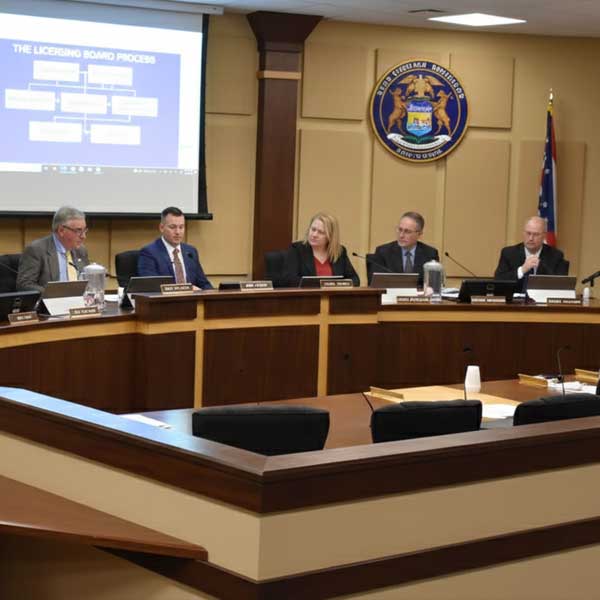
The Licensing Board Process
Navigating Michigan's CPL revocation maze—from county gun boards to circuit court appeals.
Michigan's CPL revocation process is administrative—not criminal—which means you have fewer procedural protections and higher stakes. County concealed weapon licensing boards (often called "gun boards") hold hearings to determine whether you remain "qualified" under MCL 28.425b. These boards consist of the county prosecutor, sheriff, and state police representative. They meet irregularly, operate with minimal procedural rules, and can revoke your CPL based on allegations that wouldn't survive scrutiny in criminal court.
Common triggers for CPL revocation proceedings: pending criminal charges (even baseless ones), dismissed charges that raised "character concerns," protection orders (including ex parte orders you never contested), mental health petitions, substance abuse allegations, or simply a determination that you're "no longer of good moral character." The standard isn't beyond a reasonable doubt—it's whether the board believes you pose a risk.
The hearing process: You'll receive notice (sometimes minimal) of the hearing date. The board will review police reports, court records, and any evidence presented by the prosecuting attorney. You have the right to testify, present witnesses, and submit documentation proving your qualifications. But without experienced representation, most CPL holders walk into these hearings unprepared for the aggressive questioning and hostile presumptions they'll face.
If the board revokes your CPL, you have 30 days to appeal to circuit court under MCL 28.425b(14). The circuit court conducts a de novo review—meaning a fresh look at the evidence—but appeals are expensive, time-consuming, and require legal briefs that meet strict procedural requirements. Miss a deadline or file incorrectly, and your appeal is dismissed.
We represent CPL holders at county board hearings and circuit court appeals. Our approach includes thorough preparation of evidence, aggressive cross-examination of adverse witnesses, presentation of character witnesses and expert testimony, and strategic legal arguments focused on statutory qualifications. We know how these boards operate, what arguments resonate, and how to preserve your rights when bureaucracy threatens your Second Amendment freedoms.
Frequently Asked Questions
Critical answers about self-defense and Michigan law
Self-Defense FAQ
Michigan law allows deadly force when you honestly and reasonably believe it's necessary to prevent imminent death, great bodily harm, or sexual assault.
Under MCL 780.972 (Michigan's Self-Defense Act), you have no duty to retreat if you are:
- In a place you have a legal right to be
- Not engaged in criminal activity
- Facing an honest and reasonable belief of imminent threat
The law presumes you acted reasonably if the threat involved someone breaking into your home, business, or occupied vehicle. But "reasonable belief" is determined by a jury after the fact—which is why immediate legal representation after any defensive incident is critical.
What to say at the scene:
- "I was attacked and feared for my life."
- "I will cooperate fully, but I need to speak with my attorney first."
- Point out evidence (shell casings, witnesses, surveillance cameras)
- Request medical attention if injured
What NOT to do:
- Don't waive your rights or sign anything without counsel
- Don't estimate distances, times, or number of shots
- Don't speculate about the attacker's intent or mental state
- Don't consent to searches or seizures
Even justified shootings result in criminal investigation. Adrenaline, trauma, and stress distort memory. Statements made at the scene can't be taken back—and prosecutors will use every inconsistency against you. Contact legal counsel immediately before giving any detailed statement.
Michigan has both Castle Doctrine protection and Stand Your Ground law under MCL 780.972.
Castle Doctrine (MCL 780.951): Creates a legal presumption that you acted in reasonable self-defense if someone is breaking into your home, business, or vehicle. You don't have to prove you feared for your life—the law presumes the threat was real.
Stand Your Ground (MCL 780.972(2)): You have no duty to retreat before using deadly force if:
- You have a legal right to be where you are
- You're not engaged in a crime
- You honestly and reasonably believe deadly force is necessary
These laws provide powerful legal protection—but they're not a license to use force recklessly. Prosecutors still scrutinize every detail, and you must prove your actions were objectively reasonable under the circumstances. Castle Doctrine doesn't apply if you invited the person in or if they had lawful authority to be there.
Yes. Even if you're not charged criminally, your CPL can be suspended or revoked.
Michigan law (MCL 28.425b) allows CPL suspension or revocation if:
- You're charged with any felony or certain misdemeanors
- A Personal Protection Order (PPO) is issued against you
- You're accused of misusing your CPL (even without conviction)
- Law enforcement determines you're a danger to yourself or others
After a defensive incident, even if prosecutors decline to charge, the county gun board can still hold a revocation hearing. Once your CPL is revoked, you face an 8-year state firearm prohibition under MCL 750.224f and potential federal prohibitions.
Our practice handles CPL defense at three critical stages:
- Immediate representation after defensive incident to prevent charges
- CPL revocation hearing defense if gun board initiates proceedings
- Circuit court appeals if revocation occurs
Your CPL is your license to carry—defending it is just as important as defending against criminal charges.
Absolutely. Even the most justified self-defense case can result in criminal charges, civil liability, and CPL revocation if not handled properly.
What seems "clearly justified" to you may look different to prosecutors reviewing:
- Conflicting witness statements
- Forensic evidence (bullet trajectories, autopsy reports, ballistics)
- Your statements to police (made under extreme stress)
- Social media history and prior conflicts with the deceased
- Political pressure to prosecute in high-profile cases
An attorney protects you by:
- Preventing statements that create inconsistencies or legal problems
- Preserving evidence before it's lost or destroyed
- Conducting independent investigation with use-of-force experts
- Negotiating with prosecutors before charges are filed
- Defending CPL revocation proceedings
- Representing you against civil lawsuits from the attacker's family
Self-defense cases are won or lost in the hours and days after the incident—not months later in court. Immediate legal representation is the difference between walking free and spending years defending yourself from prison.
Michigan law (MCL 28.425f) requires CPL holders to immediately disclose to law enforcement that they're carrying if stopped.
Your legal obligations during a stop:
- Keep hands visible
- Immediately state: "I have a CPL and I'm carrying"
- Present your CPL and driver's license together
- Disclose location of firearm ("on my right hip" or "in the glove box")
- Follow officer instructions for securing the weapon
- Do NOT reach for your gun or CPL without telling the officer first
Consequences of failing to disclose:
- Civil infraction (first offense): $500 fine, 6-month CPL suspension
- Misdemeanor (subsequent offense): Up to 90 days jail, $1,000 fine, permanent CPL revocation
- Potential weapons charges if officer discovers gun during search
Even if you forget or the interaction is brief, failure to disclose can cost you your CPL and create criminal liability. If you're cited for non-disclosure, contact an attorney immediately—these violations are often defensible with proper legal representation.