




Michigan Felony & Misdemeanor
Defense Attorney
From misdemeanor charges that threaten your license to felonies that threaten your freedom. Aggressive defense at every level.
Felonies & Misdemeanors
A criminal charge, whether a misdemeanor or a felony, can cost you your career, your license, your freedom, and your reputation. The difference between the right defense and a quick plea can define the rest of your life.
Michigan prosecutes thousands of felony and misdemeanor cases every year. Prosecutors have investigators, crime labs, and institutional resources behind them. What a defendant has is the right to a defense, and the quality of that defense determines the outcome. Makowski Legal doesn't evaluate cases by what's easiest to resolve. Cases are evaluated by what's worth fighting for.

Michigan divides criminal charges into two broad categories: felonies (offenses punishable by more than one year in state prison) and misdemeanors (offenses carrying 93 days, one year, or up to two years for High Court Misdemeanors, a category unique to Michigan). But that distinction understates the real-world consequences. A misdemeanor conviction can trigger professional license revocation, immigration consequences, CPL loss, and employment bars just as devastating as a felony sentence. Both require aggressive defense from the moment of arraignment.
Makowski Legal's criminal defense practice covers the full spectrum of felony and misdemeanor charges in Michigan state courts, from assault and weapons offenses to OWI, drug crimes, domestic violence, theft, and white-collar matters. Every case is investigated as if it's going to trial, every weakness in the prosecution's evidence is challenged, and every available avenue for dismissal, reduction, or acquittal is pursued.
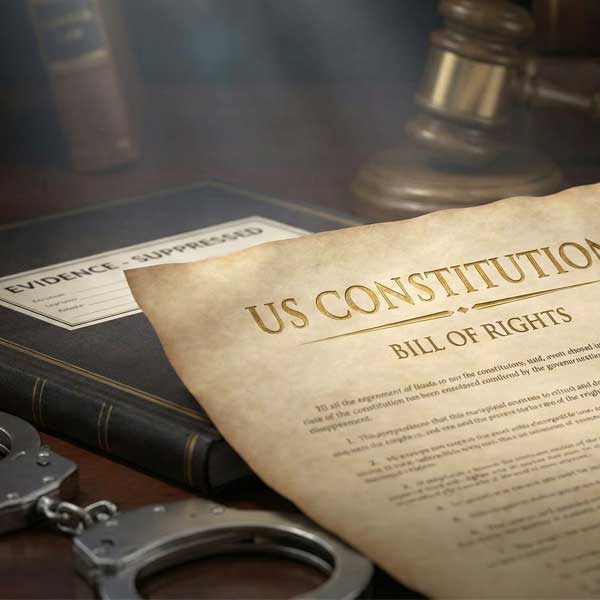
Felony Defense
When a conviction means state prison, loss of civil rights, and a permanent record, the stakes demand more than a public defender and a plea deal.
Michigan felonies range from Class A (life imprisonment) to Class G (up to 2 years), with a complex sentencing guidelines system that prosecutors use to push defendants toward plea agreements before they understand their options. A felony conviction strips you of your right to vote, possess firearms, hold professional licenses, and in many cases, maintain employment. For non-citizens, a felony conviction triggers mandatory deportation proceedings.
Common felony charges: Assault with Intent to Do Great Bodily Harm, Assault with a Dangerous Weapon (Felonious Assault), weapons offenses, drug possession and trafficking, Home Invasion, felony OWI (3rd Offense or Injury), Domestic Violence (Felony), Identity Theft, fraud, Embezzlement, and Criminal Sexual Conduct.
The felony defense approach: Defense begins with a complete review of the charging documents, affidavit of probable cause, and all available evidence. Constitutional violations, unlawful searches, improper identification procedures, Miranda violations, are identified and pursued for suppression or dismissal. Independent experts are retained when forensic evidence is central to the case, and a full trial defense is prepared even when a plea resolution is being negotiated.
Michigan's sentencing guidelines create pressure to plead guilty and accept "guidelines sentences." But guidelines are a starting point, not a ceiling. Substantial assistance departures, sentencing variances, and alternative sentencing options are available in the right cases. Every angle is evaluated before any resolution is recommended, because a conviction is forever.
Misdemeanor Defense
Don't let "just a misdemeanor" become a permanent career-ending conviction. Misdemeanors have consequences that follow you for life.
Michigan misdemeanors come in three tiers: 93-day misdemeanors (low-level offenses), 1-year misdemeanors (standard offenses), and High Court Misdemeanors, a category unique to Michigan that carries a 2-year maximum sentence. Under federal law, any crime punishable by more than one year is treated as a felony, which means High Court Misdemeanor convictions can trigger federal consequences, firearm disabilities, and immigration consequences identical to a felony. All three tiers carry fines, probation, and a permanent criminal record. For licensed professionals including nurses, teachers, CDL drivers, contractors, security workers, and real estate agents, a misdemeanor conviction often triggers automatic license suspension, reporting requirements, and career consequences that dwarf the criminal sentence itself.
Common misdemeanor charges: OWI/DUI (1st and 2nd Offense), Domestic Violence (1st Offense), Assault and Battery, petty theft and Retail Fraud, Disorderly Conduct, Trespass, OUIL/UBAL, drug possession (small quantities), and CPL violations including Failure to Disclose.
Protecting professional licenses: Many clients care less about jail time than about keeping their license. Makowski Legal coordinates misdemeanor defense with professional license defense, pursuing dismissals, non-public dispositions, diversion programs, and creative sentencing structures that avoid triggering automatic reporting requirements or mandatory revocation provisions. For CDL holders, the defense targets convictions that would terminate commercial driving privileges. For healthcare workers, outcomes are pursued that satisfy licensing boards without creating a public record.
Michigan offers expungement (set-aside) for most misdemeanors under MCL 780.621, but only after waiting periods have passed and subject to eligibility restrictions. It's far better to fight the charge and avoid the conviction entirely. Every misdemeanor case is evaluated for dismissal, reduction to non-criminal infractions, diversion, and alternative disposition options that protect the record from the outset.
Frequently Asked Questions
What you need to know about felony and misdemeanor charges in Michigan
Michigan divides criminal offenses by the maximum possible sentence and where it is served. Felonies, punishable by more than one year in state prison, strip voting rights, firearm rights, and professional licenses. High court misdemeanors carry up to two years, sometimes served in state prison despite the label. Standard misdemeanors carry up to 93 days or one year in county jail. Civil infractions carry fines only with no criminal record. Both felonies and misdemeanors create permanent records visible to employers, landlords, licensing boards, and immigration authorities. The goal is always to avoid conviction entirely or reduce to the lowest possible offense classification.
Always plead not guilty at arraignment, regardless of the facts. You can always change your plea later; you cannot undo a guilty plea. Arraignment is the first court appearance where charges are formally read, a plea is entered, and bail conditions are set. Pleading not guilty preserves all rights and defenses, gives defense counsel time to review evidence, enables discovery of police reports, bodycam footage, and lab results, and creates negotiating leverage with the prosecutor. Arraignment is not the time to explain your side of the story. Say nothing beyond your plea, and contact a criminal defense attorney before arraignment if at all possible.
Potentially yes, and the answer depends on the license type, the offense, and how it's resolved. Michigan licensing boards have broad discretion to discipline licensees for criminal convictions. Healthcare workers (RN, LPN, MD, PA) risk investigation by LARA's Bureau of Professional Licensing for convictions involving fraud, dishonesty, or substance abuse. CDL drivers face mandatory federal disqualification periods for OWI, reckless driving, and certain drug convictions. Teachers can lose certification for domestic violence, assault, and drug convictions. Any felony or qualifying misdemeanor triggers automatic CPL suspension or revocation. Real estate, insurance, and contractor licensees face mandatory reporting requirements and potential suspension for fraud, theft, or dishonesty convictions. Makowski Legal coordinates criminal defense with professional license protection from the outset, pursuing dispositions that minimize or eliminate licensing consequences, not just criminal penalties.
Michigan's Clean Slate Act (2021) significantly expanded set-aside eligibility, but expungement is not automatic and not available for all offenses. Most misdemeanors are eligible after three years from sentencing; most felonies after seven years, with up to three felonies eligible for set-aside. Certain offenses are automatically set aside after 7–10 years without new convictions. Life offense felonies, CSC 1st and 2nd degree, and OWI causing death or serious injury are not eligible. A set-aside removes the conviction from public records and restores most civil rights, but the record remains accessible to law enforcement. It's always better to avoid the conviction than to seek expungement later. But where a conviction exists, set-aside can be life-changing.
That decision should never be made before a thorough investigation of the prosecution's case, and it should never be driven by fear or pressure. Prosecutors offer plea deals when they have evidence vulnerable to challenge, want to avoid the cost and uncertainty of trial, need cooperation for a larger investigation, or face limitations in witness availability. Every plea offer is evaluated against what a jury is likely to do with the actual evidence, not what the prosecutor claims it is. Sometimes a plea that avoids a felony conviction or preserves a professional license is the right outcome. Other times, trial is the only path to an acceptable result. That decision belongs to the client, made with complete information, after the real strength of the prosecution's case has been established.