




Michigan Catastrophic
Injury Attorney
Catastrophic injury changes every dimension of your life. The compensation recovered must reflect the full scope of that permanent loss.
General Personal Injury & Catastrophic Claims
Not every personal injury case is a minor soft-tissue claim. Catastrophic injury, including spinal cord damage, traumatic brain injury, severe burns, and amputation, changes the entire trajectory of a life. The compensation recovered must be built to fund that entire trajectory.
When a carrier knows the damages could reach seven or eight figures, the claims-handling calculus changes entirely. Experienced defense counsel is deployed early. Medical experts are retained to challenge causation and future care projections. Every procedural tool available to limit exposure is used. The plaintiff's attorney who takes a catastrophic injury case to trial must be prepared for that level of institutional opposition from day one.
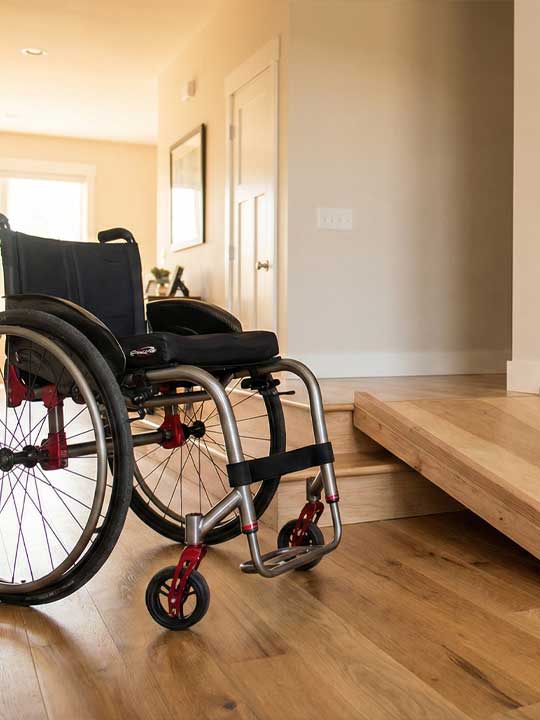
Makowski Legal handles high-impact auto and trucking accidents, industrial and workplace injuries, severe premises liability cases, and any incident producing permanent disability, spinal cord injury, traumatic brain injury, severe burns, or wrongful death, building every case around a complete damages model including past and future medical costs, lost earning capacity, and the full scope of non-economic loss.
Also handled: dog bites, product liability, construction accidents, and other incidents where negligence caused significant harm and the defendant has insurance or assets to pay.

Catastrophic Loss Overview
Catastrophic injury litigation requires a long-game approach built around the full scope of lifetime loss, not a quick settlement that closes the file before the damage is fully understood.
A catastrophic injury alters every projection the injured person had for their life, including earning capacity, retirement, family participation, independence, and quality of life. Compensation must fund not only past medical treatment and lost wages, but the entire projected course of future care, adaptive equipment, home modification, attendant care, vocational rehabilitation, and lost earning capacity over a working lifetime. That requires a damages model built by qualified experts, not estimates.
Spinal Cord Injuries. Complete and incomplete spinal cord injuries impose lifetime care requirements that can exceed millions when properly calculated. Power wheelchairs, accessible housing modifications, specialized transportation, attendant care, and recurrent hospitalizations for secondary conditions are all components of a complete life-care plan. Makowski Legal retains certified life-care planners and physiatrists to document these needs with the specificity required to survive Daubert challenges and persuade juries.
Traumatic Brain Injuries. Mild TBI can produce lasting cognitive impairment affecting employment capacity even when the victim appears outwardly recovered. Moderate and severe TBI produce documented deficits in memory, executive function, emotional regulation, and behavioral control that permanently impair relationships and daily function. Proving TBI damages requires neuropsychological testing, neuroradiological imaging, and expert testimony that translates clinical findings into functional limitations a jury can understand and value.
Wrongful Death. Michigan's Wrongful Death Act (MCL 600.2922) permits recovery for the financial and emotional losses suffered by the decedent's dependents and estate, including lost earning capacity, the monetary value of lost companionship and guidance to surviving spouse and children, and the decedent's own pain and suffering before death. These cases require an attorney committed to presenting the full human story of what the loss means to those left behind.
Insurance Bad Faith
& Recovery
When a carrier knows the claim is valid and still low-balls the settlement, that is not aggressive defense. That is bad faith. And it has consequences.
For catastrophic injury claims, insurance tactics escalate: early recorded statements designed to lock in favorable facts, independent medical examinations by company-retained physicians who reliably minimize injury severity, surveillance operations documenting activities out of context, and early settlement offers structured to secure a release before the claimant understands the full scope of their damages.
Michigan's Insurance Code prohibits certain claims-handling practices that courts have found to constitute actionable bad faith, including failing to promptly settle claims where liability is reasonably clear, offering settlements substantially below what is owed to force litigation, and misrepresenting policy provisions to limit coverage. When a carrier's conduct crosses that line, additional remedies beyond policy limits may be available.
Makowski Legal does not negotiate until the full damages picture is established, complete medical treatment, life-care plan, economic analysis. Every catastrophic injury case is prepared for trial, making clear to defense counsel that the alternative to a fair offer is a well-prepared plaintiff's attorney with credible expert testimony and a damages presentation a jury will understand and respond to.

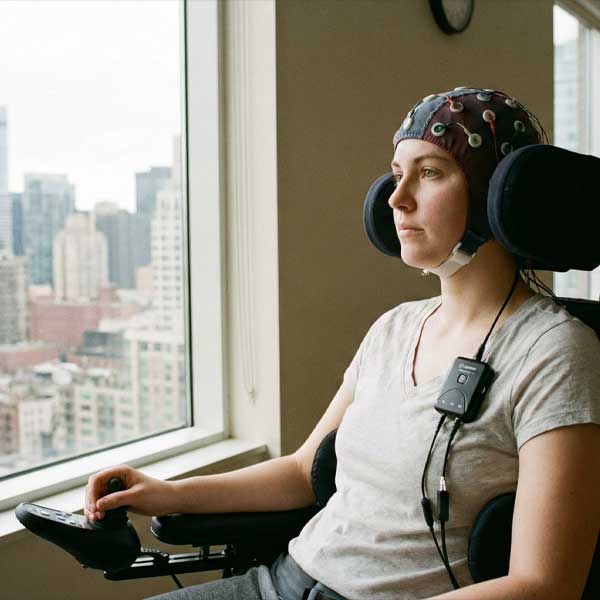
Long-Term
Advocacy Planning
A catastrophic injury verdict or settlement is the funding mechanism for the rest of the client's life. Getting the damages calculation right is the difference between financial security and financial catastrophe years after the case closes.
Life-Care Planning. A certified life-care planner evaluates the injured person's current medical condition, projected medical trajectory, and the equipment, services, and care required over their remaining life expectancy. The life-care plan itemizes needs with current and projected costs, supported by medical and economic research. Without a credible, well-documented life-care plan, catastrophic injury future damages are speculation, and juries award what they can see justified.
Lost Earning Capacity. A forensic economist translates the claimant's pre-injury earning history, career trajectory, and the injury's impact on working capacity into a present-value lump sum representing the full economic loss, accounting for projected wage growth, employment probability, fringe benefits, and the time value of money.
Structured Settlements vs. Lump Sum. Structured settlements provide tax-advantaged periodic payments protecting against dissipation and ensuring ongoing income. Lump sum recoveries provide flexibility but require financial planning to ensure funds last a lifetime. Makowski Legal works with the client's financial advisors to structure recoveries that serve long-term interests, not just the immediate headline number.
Public Benefits Coordination. Catastrophic injury settlements must be coordinated with Medicaid, SSI, SSDI, and Medicare set-aside requirements to ensure the recovery does not inadvertently disqualify the client from benefits they depend on for ongoing care. Special needs trusts and Medicare Set-Aside agreements protect both settlement proceeds and benefit eligibility.
Frequently Asked Questions
Catastrophic injury claims: what you need to know before you settle
A catastrophic injury permanently alters the victim's ability to work, care for themselves, or live independently, and creates ongoing care needs lasting a lifetime. Common categories include spinal cord injuries, moderate to severe traumatic brain injuries, amputations, extensive burns requiring long-term reconstructive care, permanent organ damage, and wrongful death. The legal significance is permanence: future damages drive claim value, and calculating them accurately requires expert support routine personal injury cases don't need.
Two primary components: economic damages and non-economic damages. Economic damages include past medical expenses, future medical expenses documented in a life-care plan, lost past wages, lost future earning capacity calculated by a forensic economist, and the cost of household services the claimant can no longer perform. Non-economic damages (pain, suffering, disability, disfigurement, and loss of enjoyment of life) are not subject to a statutory cap in most personal injury cases. An early insurance settlement offer almost always undervalues the claim because the full future damages picture is not yet established.
An expert-generated document cataloging all future medical, therapeutic, and support needs for a catastrophically injured person, with current and projected costs attached to every item. If you have suffered a catastrophic injury: yes, you need one. Without it, a jury cannot award what they cannot see justified, and future damages will be challenged as speculative. A well-constructed life-care plan supported by credible expert testimony is often the single most important driver of case value.
Do not accept any settlement in a catastrophic injury case without consulting an attorney and completing medical treatment. Early offers are made before the condition has stabilized, before a life-care planner has documented future needs, before a forensic economist has calculated lost earning capacity, and before the full scope of what the injury means for the rest of life is understood. Accepting a settlement releases all future claims regardless of how the condition evolves. A consultation costs nothing and could be worth millions.
Yes, and structuring the recovery incorrectly can cost a catastrophically injured person benefits they depend on for ongoing care. A lump sum settlement can disqualify a Medicaid or SSI recipient unless held in a properly structured Special Needs Trust. Medicare set-asides may be required to protect Medicare's secondary payer position. Coordinating a settlement with government benefit preservation requires planning before settlement, not after.