




Michigan Self-Defense Civil Liability Attorney, Gun Owner Civil Defense
A criminal acquittal closes the prosecution's file. It does not close the civil courthouse. Both tracks require an attorney who understands where they intersect.
The Intersection of
Self-Defense
& Personal Injury
Criminal and civil liability operate on entirely separate tracks, under entirely different standards. A criminal acquittal is not a shield against civil suit, and a civil immunity defense is not automatic. Both require aggressive, informed legal strategy from an attorney who understands both systems.
Most gun owners understand Michigan's self-defense statutes. Fewer understand that those statutes govern criminal liability, not civil liability. Michigan's civil courts operate under a preponderance of evidence standard, not beyond reasonable doubt. An attacker or their family who cannot secure a criminal conviction can still pursue a civil wrongful injury or wrongful death claim in circuit court, with a lower burden of proof, different evidentiary rules, and potentially catastrophic financial exposure for the defender.

Michigan has a civil immunity statute (MCL 600.2922b) that can shield a justified defender from civil liability, but invoking it successfully requires the same factual development, expert preparation, and legal argumentation as the criminal defense. It is not automatic. It must be pursued proactively by counsel who understands both the immunity statute and the personal injury law it is meant to preempt.
Makowski Legal represents clients on both sides of this intersection: gun owners and CPL holders facing civil suits following defensive incidents, and individuals harmed by unjustified use of force seeking civil accountability the criminal system failed to provide. Dual expertise in criminal defense and personal injury litigation makes this the only firm uniquely positioned to handle cases where both tracks are active simultaneously.
Civil Immunity vs.
Civil Liability
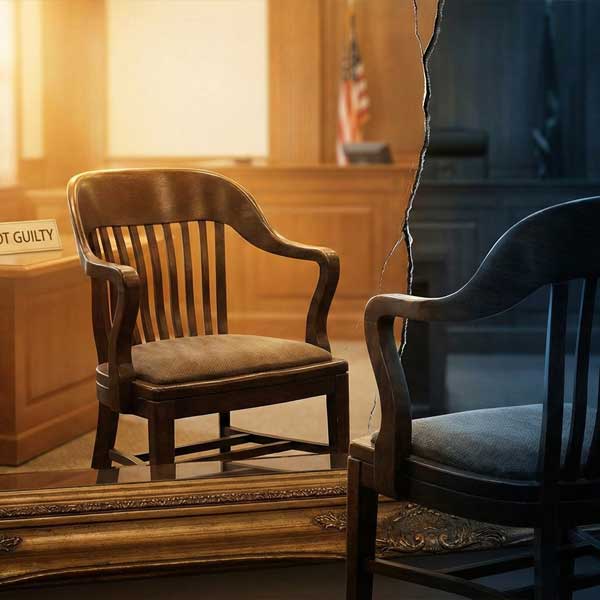
Criminal acquittal means the state could not prove guilt beyond a reasonable doubt. It does not mean a plaintiff cannot prove liability by a preponderance of the evidence in civil court.
The O.J. Simpson case remains the clearest illustration: acquitted of murder, found civilly liable for wrongful death. Same evidence, same facts, same incident, two entirely different legal outcomes based on two different standards of proof. Michigan's civil courts operate on the same principle.
A gun owner who successfully defends themselves under Michigan's Self-Defense Act may face a civil lawsuit from the attacker if they survived, or from the attacker's surviving family members if they did not. The civil plaintiff's attorney needs only prove by a preponderance of the evidence that the use of force was not justified. There is no unanimous jury verdict to point to. There is no "beyond reasonable doubt" protection. Financial exposure in a wrongful death or serious injury suit can include the full value of the decedent's economic contributions to their family, non-economic damages for the family's loss, and potentially punitive damages.
Michigan's civil immunity statute (MCL 600.2922b) provides statutory immunity for individuals who used deadly force in circumstances that would justify it under the Self-Defense Act, but this immunity must be raised as a defense, supported by the factual record developed in the criminal proceeding, and actively argued in the civil context. If the criminal defense was handled poorly, key evidence not preserved, use-of-force analysis not fully developed, the civil immunity defense will rest on a weak foundation. The quality of the criminal case directly determines the civil immunity position.
The Cost of Victory
Winning the criminal case is not the end. The civil lawsuit that follows targets not your freedom, but your savings, your home, your retirement, and everything you spent a lifetime building.
Civil wrongful death and personal injury suits filed after self-defense incidents are not theoretical risks. Plaintiffs' attorneys specialize in pursuing civil claims against defenders acquitted criminally but financially vulnerable in the civil system. They work on contingency, so the barrier to filing is low. The barrier to defending is not.
In a wrongful death suit following a self-defense incident, the plaintiff's family can seek the full economic value of the decedent's projected lifetime earnings, damages for loss of companionship and guidance to surviving spouse and children, the decedent's conscious pain and suffering before death, and potentially punitive damages. In cases involving younger decedents with families, these damages can reach seven figures.
Many gun owners assume homeowner's or umbrella insurance will cover a civil suit arising from a self-defense incident. The answer depends entirely on specific policy language. Some policies exclude intentional acts, and a use-of-force incident, by definition, involves intentional conduct. Others contain specific firearms exclusions. Reviewing coverage before an incident is part of responsible gun ownership most CPL holders have never done.
Specialized self-defense legal coverage programs, marketed by USCCA and similar providers, vary significantly in actual coverage terms, limits, and claims-handling practices. Makowski Legal can advise gun owners on evaluating these programs and on what to expect from them if a civil suit is filed.

Strategic Defense
for the Gun Owner
Defending a gun owner from a predatory civil lawsuit after a justified self-defense incident requires an attorney who understands both personal injury law and Second Amendment law, because the plaintiff's attorney will use both.
A plaintiff's attorney bringing a civil suit against a justified defender has a playbook: characterize the defender as reckless and trigger-happy, undermine the use-of-force analysis with plaintiff-retained experts, and present the attacker as a sympathetic figure whose family deserves compensation regardless of circumstances. This strategy doesn't require disproving the criminal defense, only shifting the narrative enough to establish liability by a preponderance.
Makowski Legal practices both criminal defense and personal injury, which means the plaintiff's civil case strategy is understood from the inside. The same use-of-force arguments plaintiff's attorneys deploy against defenders are the same arguments navigated in criminal defense. Michigan's civil immunity statute is understood in the context of both the criminal self-defense law it references and the civil tort law it displaces.
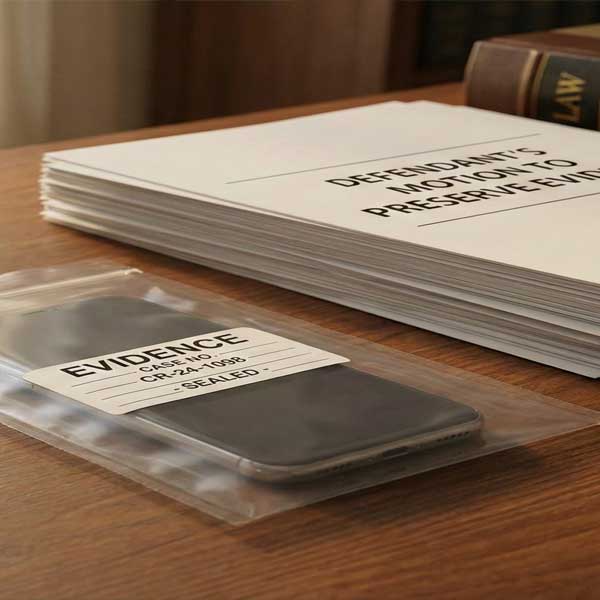
Pre-suit immunity motions under MCL 600.2922b allow a defender to seek a determination of civil immunity before a civil trial. A successful immunity ruling terminates the civil lawsuit before it reaches a jury. Building the factual record for that motion requires the same evidentiary development as the criminal defense, and it must begin immediately after the incident.
Proactive consultations are available for CPL holders who want to understand their civil liability exposure under current Michigan law, evaluate existing insurance coverage, and put legal planning in place before they ever need it.
Frequently Asked Questions
Civil liability after self-defense: what every gun owner needs to understand
Yes. Criminal acquittal and civil immunity are separate legal outcomes governed by different standards of proof. A criminal acquittal means the state could not prove guilt beyond a reasonable doubt. A civil plaintiff needs only prove liability by a preponderance of the evidence — more likely than not. Even if criminal charges are never filed, the attacker or their family can still pursue a civil lawsuit. A gun owner who is criminally acquitted remains civilly vulnerable unless civil immunity under MCL 600.2922b is affirmatively established.
Michigan's civil immunity statute for self-defense incidents. It provides immunity from civil liability for damages arising from a use of force justified under the Self-Defense Act, but immunity is not automatic. It must be affirmatively asserted and proven in the civil proceeding. Pre-trial immunity hearings are available, and a successful ruling terminates the lawsuit. The factual foundation that supported the criminal defense must be presented in the civil immunity context. A poorly handled criminal case creates a weak civil immunity position.
It depends entirely on specific policy language, and most gun owners have never read it carefully enough to know. Common issues include intentional acts exclusions, firearms exclusions, policies that provide defense but not indemnification, and location limitations that don't cover incidents away from the insured premises. Review your policy before you need it. Makowski Legal offers consultations for CPL holders who want to understand current coverage and identify gaps.
Specialized self-defense coverage programs can provide meaningful protection, but they vary significantly in coverage terms, limits, and claims-handling practices. Key questions: Does coverage apply when charges are not filed? What are the civil coverage limits for a wrongful death claim? Can you choose your own attorney or must you use their network? What discretion does the administrator have to deny coverage? Makowski Legal can advise on evaluating these programs before and after an incident.
Immediately, and ideally before any incident occurs. Before an incident: understand your civil exposure, review insurance coverage, and put legal planning in place. Immediately after an incident: preserve all evidence, identify and document all witnesses, retain counsel who understands both the criminal and civil dimensions, and do not make public statements or post on social media. After criminal resolution: a pre-suit immunity motion under MCL 600.2922b can terminate a civil lawsuit before it reaches a jury, but building the record requires the evidentiary foundation developed during the criminal defense.