




Michigan Personal Injury & Medical Malpractice Attorney
Insurance companies have armies.
Jim Makowski levels the playing field.
Personal Injury & Malpractice
Insurance companies are built to deny your claim. Hospitals are built to protect their physicians. Corporations are built to protect their bottom line. None of them are built to protect you.
For over 25 years, Jim Makowski has represented injury victims against the carriers, health systems, and corporations that prioritize profit over accountability. Unlike settlement mill firms that push quick payouts, every case at Makowski Legal is prepared for trial, because defendants settle better when they know you're willing to fight.
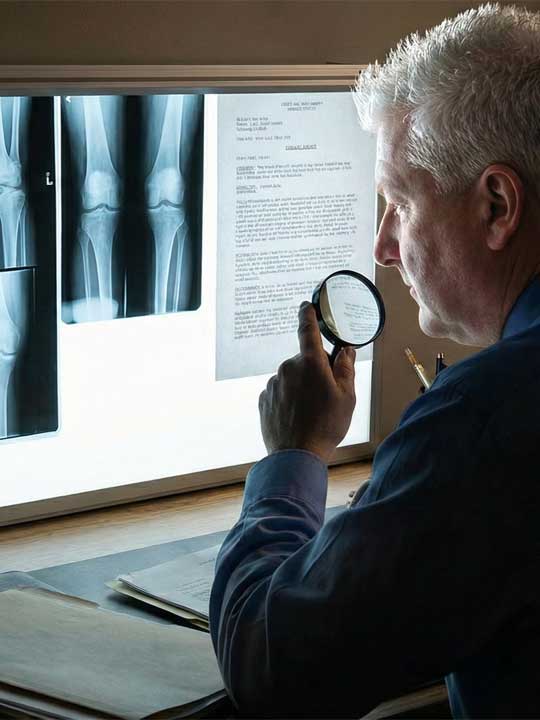
The personal injury practice covers premises liability where negligent property owners caused your injuries, medical malpractice involving hospital negligence and surgical errors, catastrophic injury claims requiring long-term care and substantial compensation, and civil liability defense for individuals and businesses on the other side of a claim.
Cases are selective by design. When Jim takes yours, you get thorough investigation, expert witnesses, aggressive discovery, and trial-ready representation focused on maximum recovery. No settlement mill mentality. No quick payouts that leave you undercompensated.

The Elite Advocacy Standard
Not every injury attorney will take on a major hospital system or an insurance carrier that has already decided your claim is worth nothing. Jim will. He builds every case to prove it.
Michigan's personal injury landscape is dominated by high-volume settlement mills: firms that sign as many cases as possible and resolve them as quickly as insurance companies allow. Quick settlements keep the volume moving. They also routinely leave injured clients with a fraction of what their case is worth, because the firm never prepared for trial and the insurance company knows it.
Every personal injury case at Makowski Legal is built for trial from day one: liability experts retained, incidents reconstructed, complete medical records obtained, and full damages calculated including future care costs, lost earning capacity, and non-economic damages that settlement mills routinely undervalue. Insurance adjusters and hospital defense counsel recognize trial-ready preparation. It changes how they negotiate and what they offer.
The focus is on cases that require real litigation: premises liability with disputed notice, medical malpractice against credentialed physicians and hospital systems, and catastrophic injury claims where lifetime care costs are the central damages issue. When Jim accepts your case, it is because the facts, the liability, and the damages warrant full trial preparation. You get an attorney invested in the outcome, not a case number on a high-volume associate's desk.
Personal Injury Practice Areas
High-stakes injury litigation across Michigan's most
complex personal injury categories
Protecting the Vulnerable
from the Powerful
Insurance companies have armies of adjusters, staff attorneys, and defense firms with decades of experience minimizing payouts. You have the right to an advocate equally prepared and equally committed to winning.
When injured by someone else's negligence, you enter a claims process designed by the defendant's insurance company to limit its exposure. The adjuster who calls is not on your side. The form they ask you to sign is not in your interest. The initial settlement offer is not what your case is worth.
Against insurance companies, Makowski Legal prepares discovery that exposes claims-handling decisions, retains independent medical experts not beholden to the carrier, and pursues bad-faith remedies where the conduct warrants it. Michigan's no-fault system is among the most complex insurance frameworks in the country, and Jim Makowski has litigated against its carriers for over two decades.
Against hospital systems and medical institutions, the focus extends beyond the individual provider to the hospitals and health systems that employed, credentialed, and retained them. Large health systems carry institutional defense resources whose sole function is limiting malpractice exposure. Makowski Legal retains qualified medical experts, analyzes standard-of-care documentation, and builds cases that hold institutions, not just individuals, accountable for systemic failures.
Personal injury cases are handled on a contingency fee basis. Jim only gets paid when you recover. Every decision is focused on maximizing your recovery, not minimizing time investment.

Frequently Asked Questions
What injury victims need to know before their first call
Do not give a recorded statement to any insurance company, yours or the defendant's, before speaking with an attorney. Seek medical treatment immediately. Document the scene with photographs and video before conditions change. Obtain witness contact information. Report the incident and obtain a written incident report. Preserve physical evidence. Contact an attorney before speaking to any insurance representative. Evidence disappears fast: surveillance footage is overwritten, witnesses become unreachable, conditions are remediated. Early attorney involvement preserves the record.
Any attorney who gives you a number before investigating your case is guessing, or selling. Case value depends on the clarity of liability, economic damages including medical bills and lost earning capacity, non-economic damages, available insurance coverage, and jurisdiction. Makowski Legal provides a candid assessment after reviewing medical records, incident documentation, and insurance coverage information, not before.
Michigan follows a modified comparative fault rule: you can still recover as long as you are not more than 50% at fault. Under MCL 600.2959, recovery is reduced proportionally by your percentage of fault. Do not assume partial fault bars your claim. Insurance companies aggressively argue comparative fault to reduce payouts. Building the factual record early is the most effective counter.
Michigan's general statute of limitations is three years from the date of injury under MCL 600.5805, but critical exceptions apply. Medical malpractice: two years from the negligent act, no more than six years total. Claims against government entities require a Notice of Claim within 60 days. Missing it can permanently bar the claim. Do not wait. The earlier action is taken, the stronger the case that can be built.
Because insurance companies know which firms go to trial and which ones don't, and they price their offers accordingly. Settlement mills rarely retain independent liability experts, routinely settle before full medical treatment is complete, and avoid complex cases requiring real trial preparation. Makowski Legal takes fewer cases and prepares each one for trial. That preparation changes what insurance companies offer, and it is the only model that truly serves the client's interest.