




Michigan NFA Trust Lawyer,
Firearm Trusts
& Class 3 Compliance
Generic online trusts are a federal felony waiting to happen. Get it done right.
NFA & Firearm Trusts
The National Firearms Act regulates Title II firearms, suppressors, short-barrel rifles, machine guns, and more. One misstep in ownership, transfer, or possession means federal felony charges. There is no gray area.
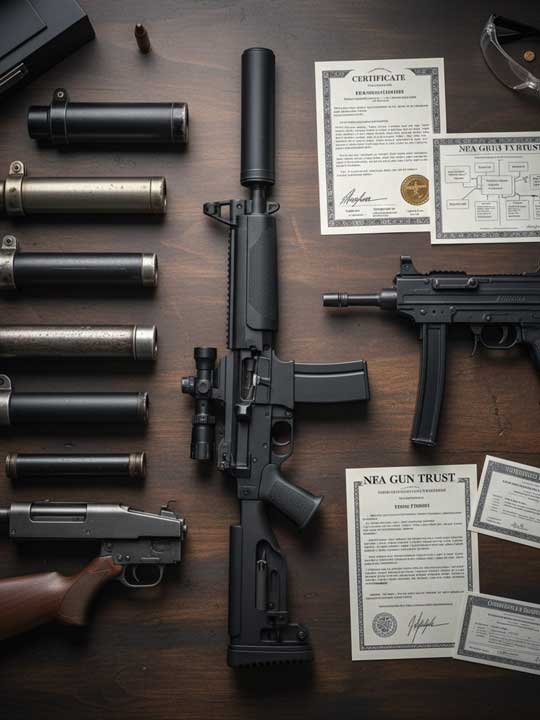
An NFA firearm trust provides a lawful framework for owning, possessing, and transferring Title II firearms. Unlike individual ownership, a properly drafted Michigan gun trust allows multiple trustees to lawfully possess NFA items, simplifies transfers upon death, avoids probate complications, and protects family members from inadvertent federal violations. Generic internet trusts routinely miss Michigan-specific issues, ATF compliance requirements, and succession planning complexities that turn collectors into defendants.
Makowski Legal drafts custom NFA trusts built for your specific collection, family structure, and long-term goals, compliant with ATF regulations, Michigan trust law, and federal firearms statutes. Whether you're establishing your first Michigan NFA trust for a suppressor or managing a multi-generational machine gun collection, this is not the place for a template.
Jim's NFA trusts are written specifically to comply with Michigan law. If you are located outside of Michigan, please consult an attorney licensed in your state, as NFA trust requirements vary by jurisdiction and this firm does not represent clients in other states.
Class 3 Regulatory Guide
Understanding SBRs, suppressors, and specialized firearm ownership under federal law.
Suppressors: Reduce noise to hearing-safe levels, not Hollywood silence. ATF Form 4, $200 tax stamp, fingerprints, photographs, and 6-12 months approval. Interstate transport allowed with proper notification.
Short-Barreled Rifles (SBRs): Barrels under 16 inches or overall length under 26 inches. ATF Form 1 or Form 4. $200 tax stamp. Illegal possession = 10-year federal felony. Critical: converting a pistol to a rifle can trigger NFA classification. Know before you build.
Short-Barreled Shotguns (SBSs): Barrels under 18 inches or overall length under 26 inches. Same process as SBRs. Strict interstate transport restrictions apply.
Any Other Weapons (AOWs): Disguised firearms, smooth-bore pistols, and certain configurations. $5 transfer tax, but identical registration requirements to everything else.
Machine Guns: Civilian ownership limited to pre-1986 registered firearms under the Hughes Amendment. Prices range from $10,000 to $100,000+. Zero tolerance for non-compliance.
Destructive Devices: Large-bore firearms over .50 caliber and certain specialized weapons. Rare in civilian ownership but subject to full NFA registration.
The Benefit of Firearm Trusts
Multi-generational ownership and legal protection for families who value their collection.
Multiple Authorized Possessors. A properly structured Michigan gun trust allows multiple trustees, your spouse, adult children, trusted friends, to lawfully possess, transport, and use NFA items without separate tax stamps. Critical for home defense and hunting.
Avoids Probate. When an individual owner dies, NFA items enter the probate estate, triggering legal complications, potential illegal possession by heirs, and months of uncertainty. A trust bypasses probate entirely. Successor trustees assume lawful possession immediately.
Privacy Protection. Trust ownership adds a layer of separation from personal information on ATF forms while maintaining full compliance. Individual ownership puts your personal details on every form.
Estate Planning Integration. NFA trusts coordinate with wills, living trusts, and asset protection strategies to ensure firearms pass to intended beneficiaries and prevent inadvertent violations by heirs unfamiliar with NFA requirements.
Protection from Inadvertent Violations. Federal law makes it a felony to possess an unregistered NFA item, even briefly. Under individual ownership, anyone with access can face constructive possession charges. A trust with properly designated trustees eliminates that risk.
Every Makowski Legal NFA trust is custom-drafted, not a template, to address your specific collection, family structure, and long-term planning goals.
From the Case Files
What Happens When There Is No Successor Trustee
Two recent clients came to Jim Makowski after purchasing NFA weapons — one as an individual, one through a cheap single-settlor online trust. Neither had a designated successor. Both faced legal disabilities that prohibited them from owning firearms: one was convicted of a felony, the other was involuntarily committed. In both cases, there was no one legally positioned to take over the collection.
The result: a gun dealer had to be brought in. In one case, the firearms were taken in for "repair" while the criminal case was pending. In the other, the dealer is currently holding over $20,000 in NFA weapons — trying to sell them on behalf of someone who can no longer legally own them. The collections are in limbo. The owners have no control. And the outcome will be dictated by a dealer, not a family member.
In a properly drafted Makowski Legal NFA trust, this situation doesn't happen. When a trustee becomes legally prohibited from possessing firearms — whether due to a criminal conviction, an involuntary commitment, or any other legal disability, temporary or permanent — they are automatically excluded from the trust by operation of law. No court action required. No dealer involvement. The successor trustee — a spouse, adult child, or trusted family member named in the trust — assumes full lawful control of the collection immediately.
The alternative is seizure. Don't let a $20 online trust or an individual registration put a collection you spent years building in a gun dealer's hands.
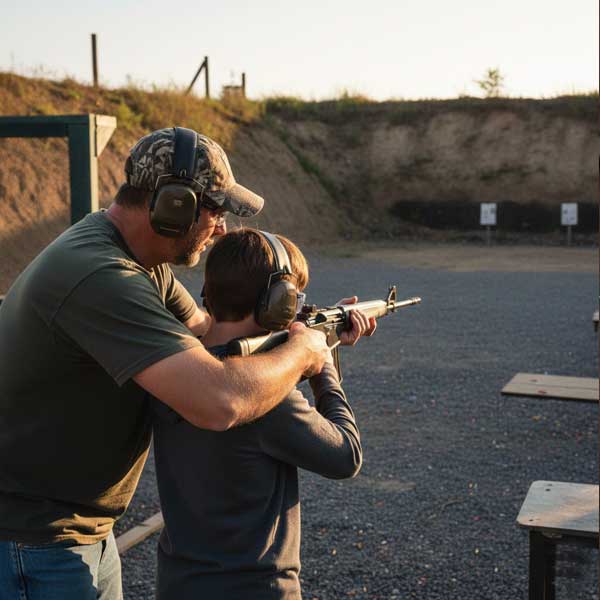
NFA Compliance Checklist
Avoiding the common pitfalls that lead
to federal felony charges.
Registration & Tax Stamp Compliance
- Always verify approved Form 4 before taking possession of any NFA item from a dealer
- Keep tax stamps with the firearm or immediately accessible. Carry copies when transporting.
- Never possess an unregistered NFA item, even temporarily. Strict liability felony, no exceptions.
- File Form 1 before manufacturing SBRs, suppressors, or AOWs. Constructive possession applies from the moment parts are assembled.
- Update trust documentation with ATF when adding/removing trustees or changing addresses
Interstate Transport & Storage
- File ATF Form 5320.20 before transporting SBRs/SBSs across state lines (suppressors exempt)
- Wait for approval before travel. A violation is a federal felony regardless of intent.
- Store NFA items securely to prevent unauthorized access by non-trustees
- Never allow non-trustees to possess NFA items, even briefly, without supervision.
Transfers & Inheritance
- All NFA transfers require ATF approval and tax stamp payment (except trust successors)
- Never "loan" NFA items to non-trustees. Any transfer requires ATF Form 4.
- Plan for death or incapacity: Name successor trustees who can legally possess NFA items
- Verify beneficiaries aren't prohibited persons before transferring via trust succession
Common Felony Traps
- Constructive possession: Having parts to build an unregistered NFA item (SBR upper + pistol lower)
- "Solvent traps" and suppressor parts: Possession of unregistered suppressor components = felony
- Machine gun conversions: Auto sears, lightning links, or modifications = 10 years federal prison
- Pistol brace confusion: ATF rules change. Verify current regulations before shouldering braced pistols.
- Unregistered AOWs: Vertical foregrips on pistols, disguised firearms, pen guns all require registration
NFA violations carry mandatory minimum sentences and no statute of limitations. Don't risk your freedom or your collection on internet advice.
Get Professional NFA Guidance →